Teaching Portfolio


The City Tech Clubwall, part of the City Tech STEM Success Collaborative, a five-year grant funded by the Department of Education. Professor Anne Leonhardt and I worked with an interdisciplinary team of students from the Departments of Communication Design, Computer Systems Technology, and Architecture to design and produce a more prominent and organized announcement board for College events, lectures, student governance details, and student clubs. Designed by former COMD student Wilna Michele.
About
Over the course of my career, I have been responsible for creative project management, art direction, design, and illustration across a wide range of multimedia projects. My professional work includes information design, identity design, illustration, wayfinding, placemaking, and experience design. With a background in both traditional and digital communication design, I teach a wide range of subjects and serve the Department of Communication Design at City Tech in areas where there is a need.
– Professor Hitchings
1. Learning
In the field of communication design, students must not only develop a range of conceptual skills to communicate content across a variety of media outlets, but also assimilate and master new technology as the media evolves. At City Tech, I have found that junior and senior students in the Department of Communication Design have generally attained levels of maturity and independence that enable them to explore deeper, more complex concepts and take their work to higher levels of refinement and critical thinking. Success for first- and second-year students, however, is less a matter of achieving impressive results than about having an enlightening journey along the way. Understanding this learning process has enabled me to provide COMD undergraduates with more challenging course material that relates to their world outside my classroom.
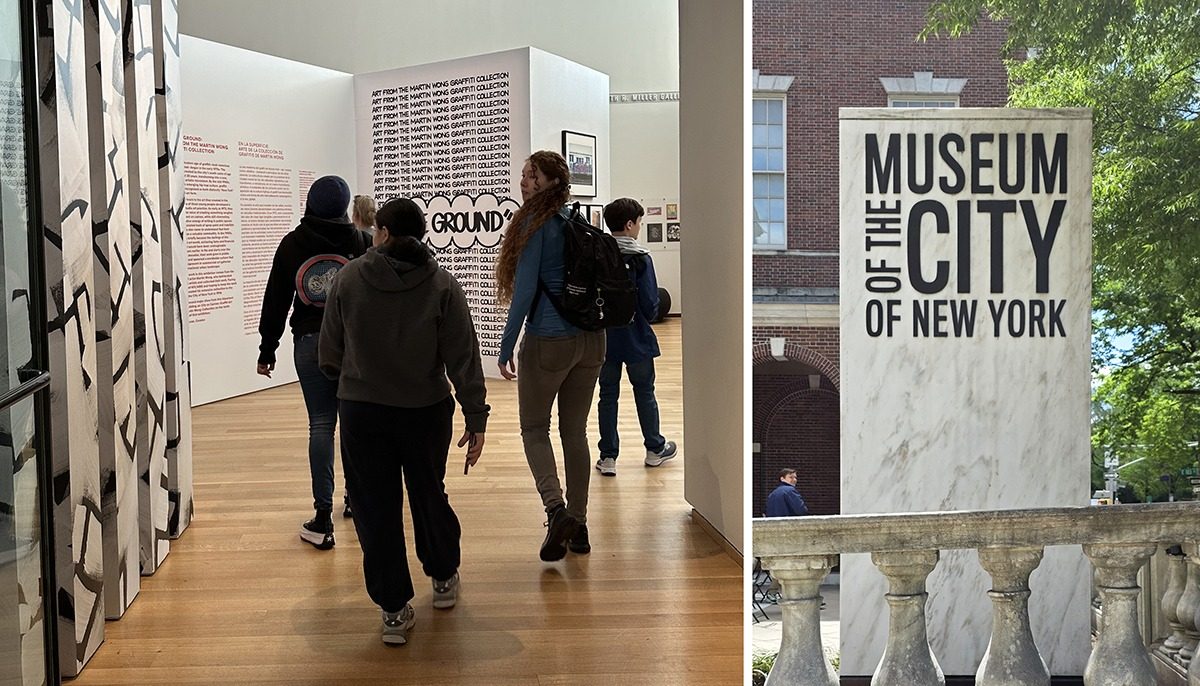
I encourage students to reach beyond the classroom and, when possible, engage in projects that have value to them and their communities. I have found that college-level design courses can give students opportunities to collaborate with peers on projects that engage community and draw from their lived experience.
I try to build such assignments into coursework so students can gain experience in the often-overlooked collaborative side of their profession. In addition to refining their design skills, these projects require students to conduct in-depth research on their subject matter and speak in front of others about their findings, thereby building confidence in their voice. Self-confidence is what propels engagement and curiosity, key ingredients of learning. Such fieldwork allows students to create comprehensive design concepts and showcase their work in portfolios that will ultimately advance their careers.
2. Statement of Teaching
Communication design is a collaborative process where designers are often bound to the will of their clients and the goals and deadlines set forth by a particular assignment. In all the classes I teach, I aim to help students understand what it means to be a practicing designer. Over the course of the semester, students’ development, understanding, and appreciation of their own creative process from concept development to technical implementation are the central objective.
Communication design is a discipline that requires a great amount of innovation for professional success. And yet the creative process is just that: a process unique to each individual and greatly affected by preparations for the task at hand. Properly setting the stage can yield productive and inspiring environments, necessary for creative talents to excel. My primary goal is to foster creativity among my students and help them learn to channel that creativity into their work. As an educator, I feel a responsibility to help my students become independent thinkers and gain confidence in their abilities.
In the classroom, I strive to create a safe and supportive learning environment because I feel this opens up a person’s ability to learn, explore, and create. I conceive class assignments to encourage students to explore the design process in a structured and mentored environment that also adheres to the realities of professional client-based work, which include deadlines, revisions, meetings, presentations, and also frustrating restrictions.
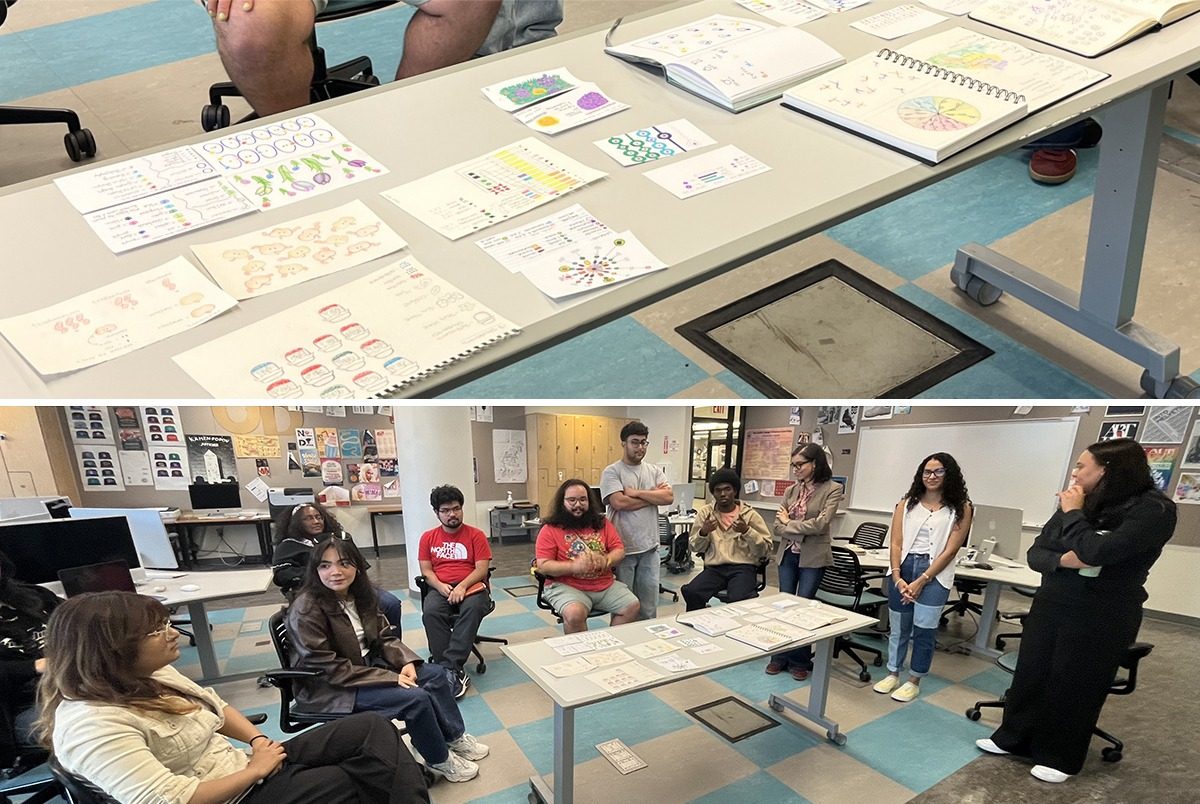
In my experience—from my student days to my professional career—learning and growth happen among peers. Therefore, I encourage student collaboration throughout the semester. As I have continued to reassess ways to engage students in a creative environment where each student is well motivated to participate and learn, I have found success in collectively reviewing student work during the early research phases of their assignments. And then later again, during class discussions and critiques, students will partner in smaller groups that often include peer evaluation and self-reflection assignments. These more intimate collaborations help to ‘break the ice’ especially for learners who may not feel comfortable vocalizing their opinions openly.
3. Teaching Methodology
The design process is a sequence of stages, structured to help come up with effective solutions to problem-solving. The five stages I’ve outlined below have become the model for how my students take their communication design assignments from initial conception to completion and are the basis for my teaching methodology. The model encourages students to fully understand a problem, ask questions, receive feedback, conduct research, brainstorm solutions, and ask more questions before attempting to come up with their final work.
In communication design, no formula leads to the final result. There are any number of ways to resolve a design problem. The goal is to find a solution that makes sense for the problem at hand, and to be able to articulate why that solution makes the most sense. Researching each project effectively, understanding it, advancing by trial and error, often with considerable input from others to its successful completion, is a lifelong pursuit in the field of communication design and one that I know will serve my students throughout their careers.
Stage 1. Establish Goals and Responsibilities
At City Tech, I have observed many of my students balance full-time obligations outside of school, often related to family and part-time jobs. By outlining goals and deadlines from the first day of the semester, students are better equipped to manage their precious time effectively. Details about assignments, including delivery expectations, production schedules, roles, and responsibilities, enable students to have a clear perspective and solid understanding of what they are attempting to accomplish. Accordingly, my students are better able to stay focused on their long-term goals while tackling the numerous steps involved over the course of several weeks. This also encourages a sense of ownership and accountability in the work they produce.
Stage 2. Research
Learning is driven by curiosity. As a teacher, it can be difficult and at times frustrating not to find the perfect ingredient to inspire and motivate a student into action. In my own practice, my best work happens when it relates to a subject I understand well. During the research phase of an assignment, through a series of exercises, I attempt to give students the flexibility to explore and discover in the hopes that they are driven to know more.
Researching an assignment entails learning as much as possible about the task at hand. Knowledge of different perspectives and contexts, including historical, cultural, ethical, socio-economic, and environmental, etc., can be very helpful in creating relevant and appropriate design solutions. This is also an excellent opportunity for student collaboration. By working in teams, the stress of feeling overwhelmed by the subject matter can be alleviated. Additionally, there is the potential that one student’s discovery may spark a deeper level of interest in a collaborator.
Stage 3. Concept Development
Experimentation and uninhibited ‘play’ can yield surprising and welcome results. For designers, the temptation to plunge straight into finalized work without much preliminary planning can be irresistible. However, a brilliant vision can fizzle into disappointment upon attempting to realize it. To avoid missteps at completion, sketching and experimentation are essential at the start.
Having defined the goals for a particular project, spent a good deal of time learning as much as possible about the subject and exploring different points of view, students work on a series of exercises designed to brainstorm ideas and organize information visually. Students receive feedback from their peers as they are asked to share their ideas with the class through informal presentations and discussions. At this stage, students begin to gather and write content and establish a clear direction for how they will proceed.
Stage 4. Technical Implementation
Designers need to be able to abstract information, understand it, and figure out the most practical way to present it. The fundamental principles of design and communication remain constant, though the technologies used to create, deliver, and receive it are in a continuous state of flux. Within the field of communication design, there is a great amount of technical ‘know-how’ required of designers. New and evolving technology is a fact of our lives, and designers need to understand it and stay on top of it.
In all classes I teach, new technology is a central theme. Software acquisition is part of what students need to learn to complete their final work. I try to instill in my students the ability to navigate technology with an open mind and with patience. Technology is like language; once you have learned one, learning another is not as difficult because you understand the underlying principles. Everyone learns differently, and by pairing students with partners who learn at different paces, I have found success in bringing everyone up to speed collectively, especially during in-class presentations. I provide students with supplemental resources in order for them to practice and also learn independently.
Stage 5. Design & Implementation
The visual aspect of communication design is the most persuasive, and one might argue the most compelling. After having worked so diligently at developing an idea and articulating a concept, seeing a project through to its final stages of completion is both a thrilling and an arduous process. The importance of instilling in students a sense of commitment to their final work cannot be overstated, and is something I have learned must be cultivated.
Once a design concept has been approved in earlier, preliminary stages, students begin the process of realizing their ideas. Students often develop several iterations of mockups and prototypes as they present their in-progress work and are asked to revise according to the feedback they receive. At this point in the semester, students are more familiar with relevant terminology covered in earlier parts of the course, and self-reflection and peer assessment assignments help to stimulate productive in-class critiques.
4. Courses: Syllabi and Assignments
Open Pedagogy
Courses (Syllabi & Assignments)
All courses I have taught in the Communication Design Department are archived on the OpenLab, including syllabi and assignments, and are viewable to City Tech OpenLab members. (*Except COMD 4830 Senior Project, which is hosted by the department on a different site dedicated to all sections of the course).
SPRING 2026
COMD3505 –Topics in Graphic Design: Credits: 3.0 Hours: 4.0COMD4830 – Senior Project: Credits: 3.0 Hours: 3.0
ID ARCH2210 – Information Design Theory: Credits: 3.0 Hours: 1.0
FALL 2025
COMD3601 – Information Design: Credits: 3.0 Hours: 4.0COMD4830 – Senior Project: Credits: 3.0 Hours: 3.0
COMD1127 – Type & Media: Credits: 3.0 Hours: 6.0
SPRING 2025
COMD3505 – Topics in Graphic Design: Credits: 3.0 Hours: 4.0
COMD4830 – Senior Project: Credits: 3.0 Hours: 3.0
FALL 2024
COMD3601 – Information Design: Credits: 3.0 Hours: 4.0
COMD4830 – Senior Project: Credits: 3.0 Hours: 3.0
COMD1127 – Type & Media: Credits: 3.0 Hours: 6.0
SPRING 2024
COMD3505 – Topics in Graphic Design: Credits: 3.0 Hours: 4.0
COMD4830 – Senior Project: Credits: 3.0 Hours: 3.0
FALL 2023
COMD3601 – Information Design Credits: 3.0 Hours: 4.0
NASAD – Self-Study – Hours: 3.0
SPRING 2023
COMD3505 – Topics in Graphic Design: Credits: 3.0 Hours: 4.0
NASAD – Self-Study – Hours: 3.0
PSC CUNY Research Grant – Hours: 3.0
FALL 2022
COMD3601 – Information Design: Credits: 3.0 Hours: 4.0
NASAD – Self-Study – Hours: 3.0
SPRING 2022
COMD1123 – Foundation Drawing: Credits: 3.0 Hours: 4.0FALL 2021
Fellowship Leave (Sabbatical)SPRING 2021
Fellowship Leave (Sabbatical)Fall 2020
COMD2400 – Communication Design II: 6.0 Hours: 6.0OpenLab – Co-Director – Hours: 3.0
SPRING 2020
COMD3601 – Information Design: Credits: 3.0 Hours: 4.0COMD4830 – Senior Project: Credits: 3.0 Hours: 3.0
OpenLab – Co-Director – Hours: 4.0
FALL 2019
COMD3601 – Information Design: Credits: 3.0 Hours: 4.0OpenLab – Co-Director – Hours: 3.0
SPRING 2019
COMD1127 – Type & Media Credits: 3.0 Hours: 6.0OpenLab – Co-Director – Hours: 3.0
FALL 2018
COMD1127 – Type & Media: Credits 3.0 Hours: 6.0OpenLab – Co-Director – Hours: 3.0
5. Teaching Effectiveness
In this Section:
- Example Course
- Sample Syllabus and Assignments
- Samples of Student Final Projects
- Evaluations: Student and Peers
- Student Comments
a. Example Course: COMD3601 Information Design
Description Theory and practice of designing with information. Topics include graphs, charts, pie charts, and diagrams. Through advanced assignments related to information graphics, exhibition design, and wayfinding systems, students will synthesize and design complex data sets. Preparation of final work using current design software applications.
b. Sample Syllabus & Assignments
- Course Syllabus & Course Details
- Course Schedule
- Course Grading Policy
- Project 2 & 3 Overview (see ‘Samples of Student Final Projects’ below)
- Assignment 01 Topic Proposal & Research
- Assignment 02 Concept Development
- Assignment 03 Design & Production
- Grading Rubric
c. Samples of Student Final Projects
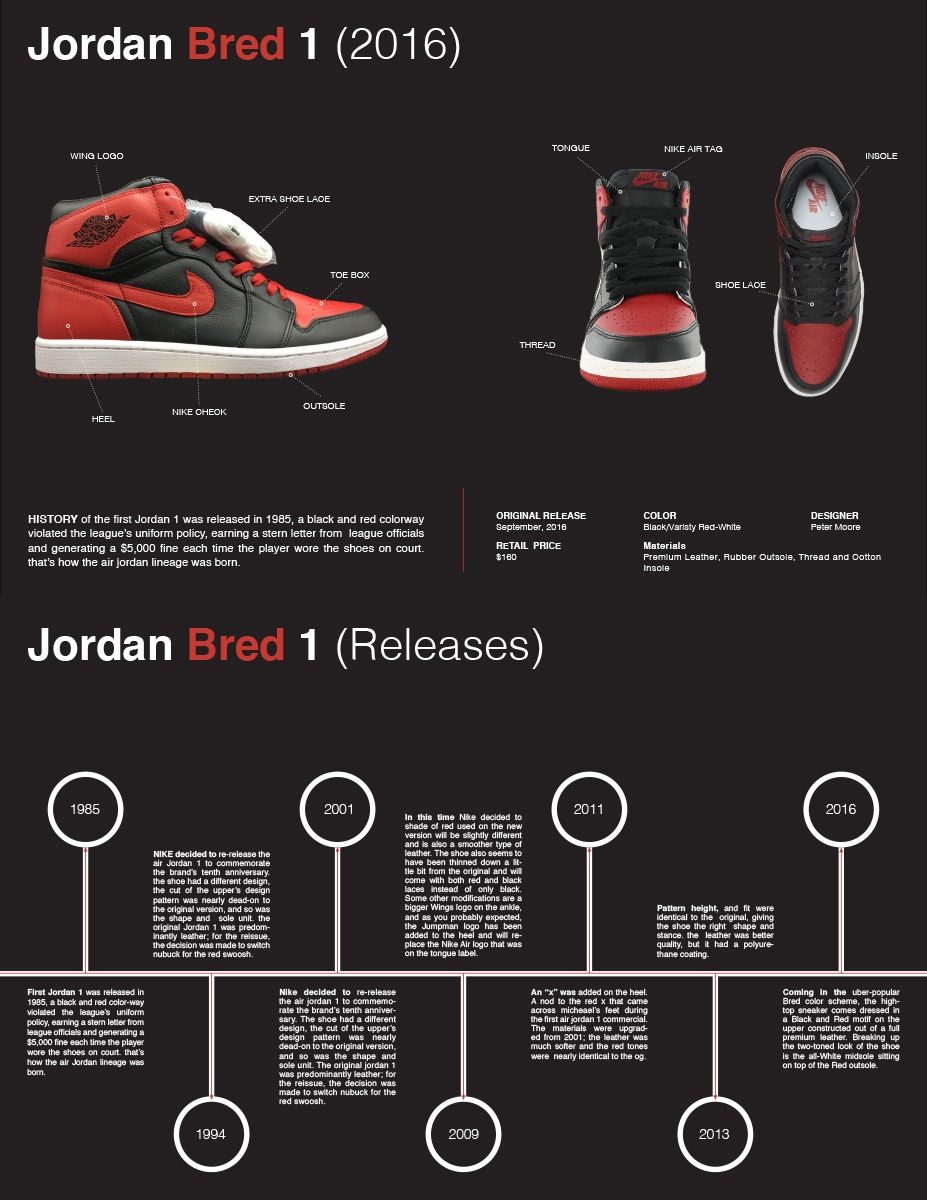
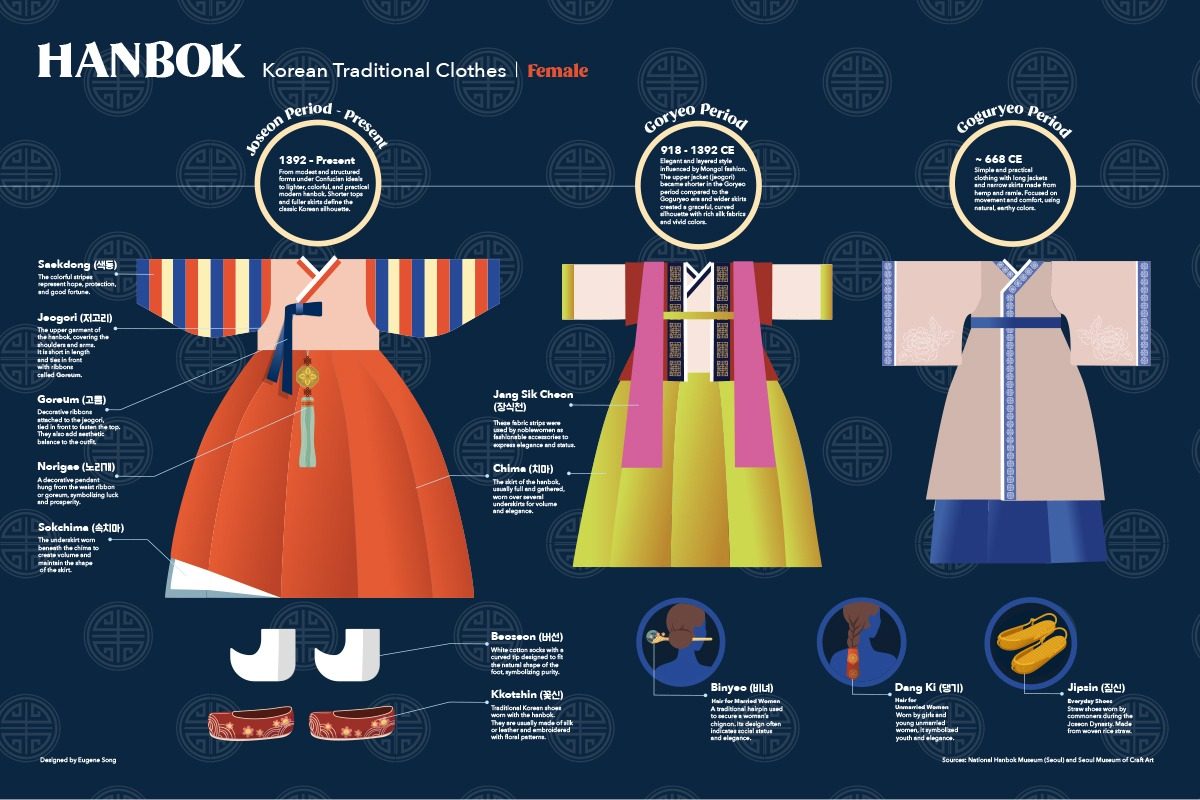
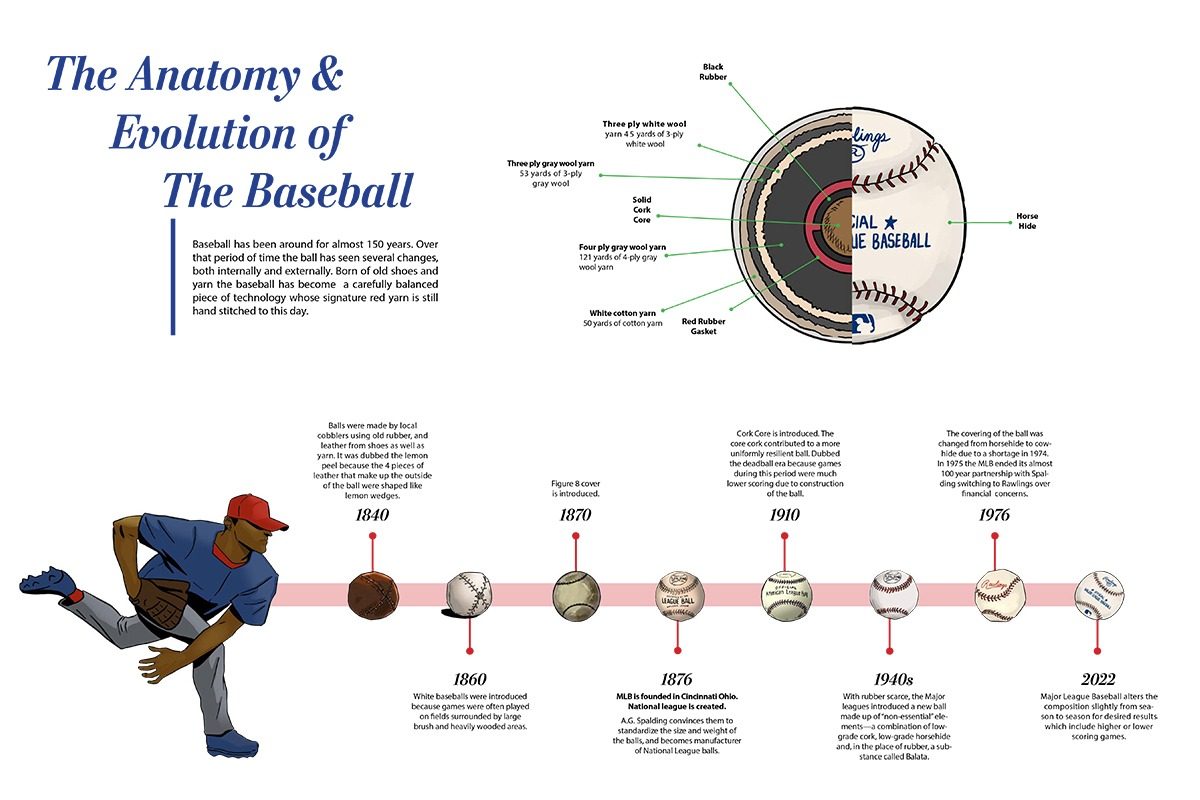
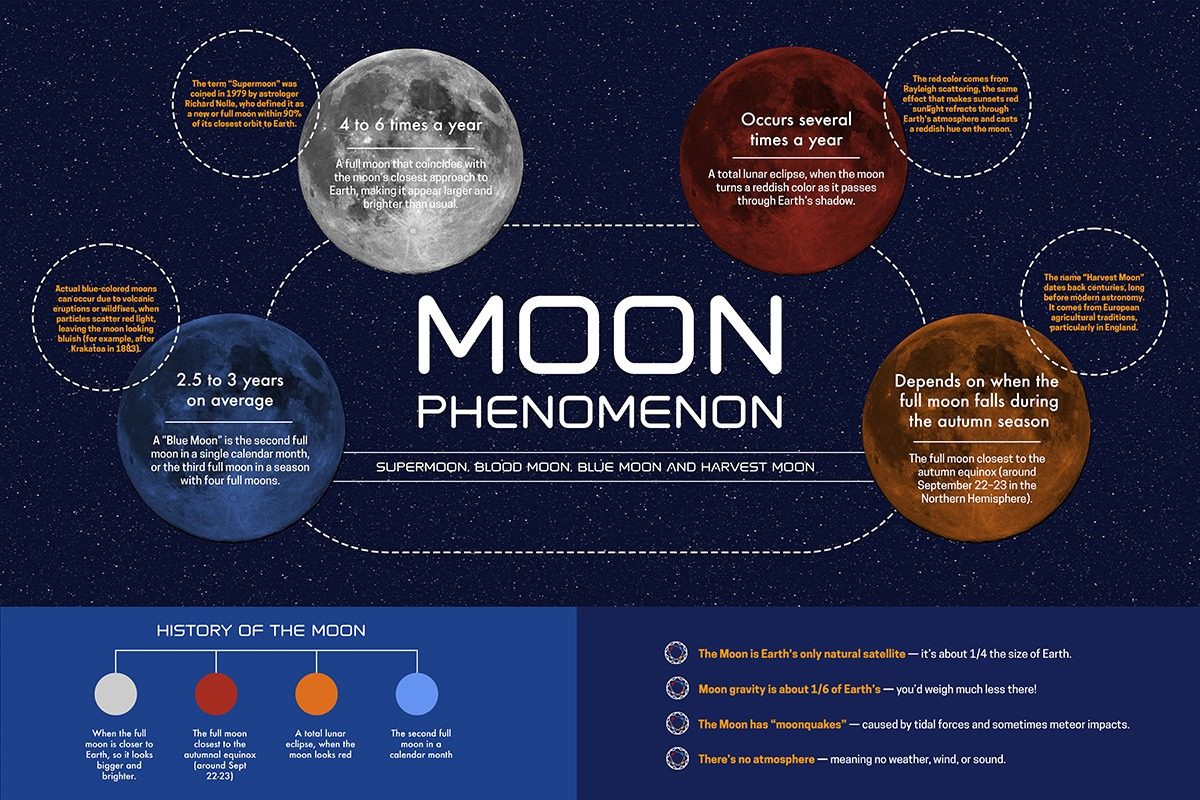
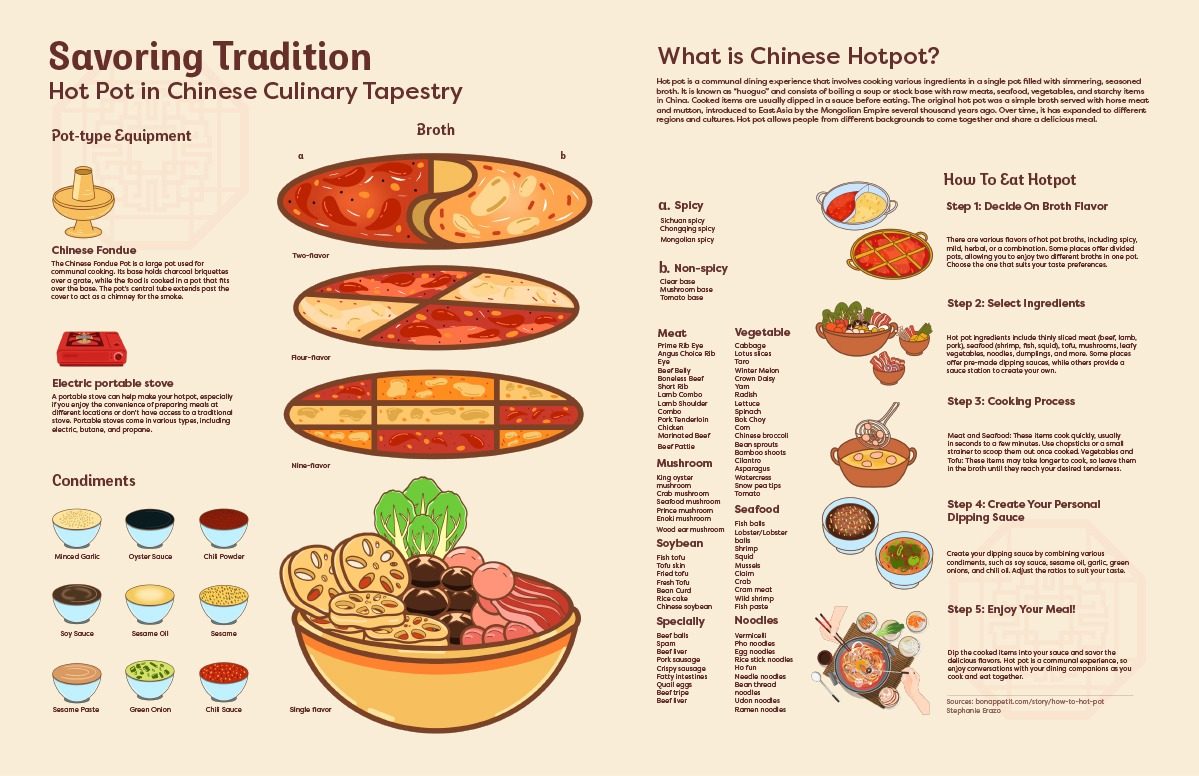
The work below showcases two final projects from COMD3601 Information Design (Project 2 & 3 Overview‘). For both projects, students chose and researched their own topic. They can choose to work on the same research topic for Project 2 & 3, or select two different topics.
Purpose
- Explore various methodologies for displaying information.
- Develop strategies for designing effective visual communication.
- Imagine new forms of organizing information.
- Create more coherent, audience-centered communication.
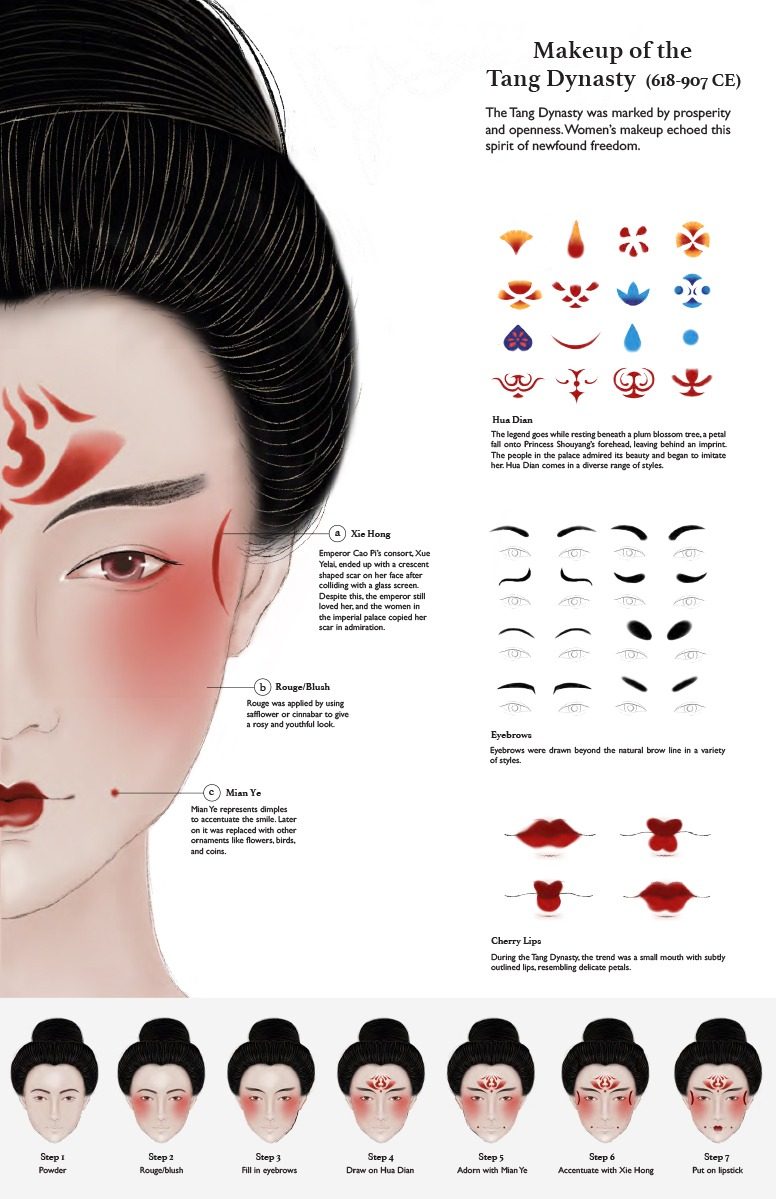
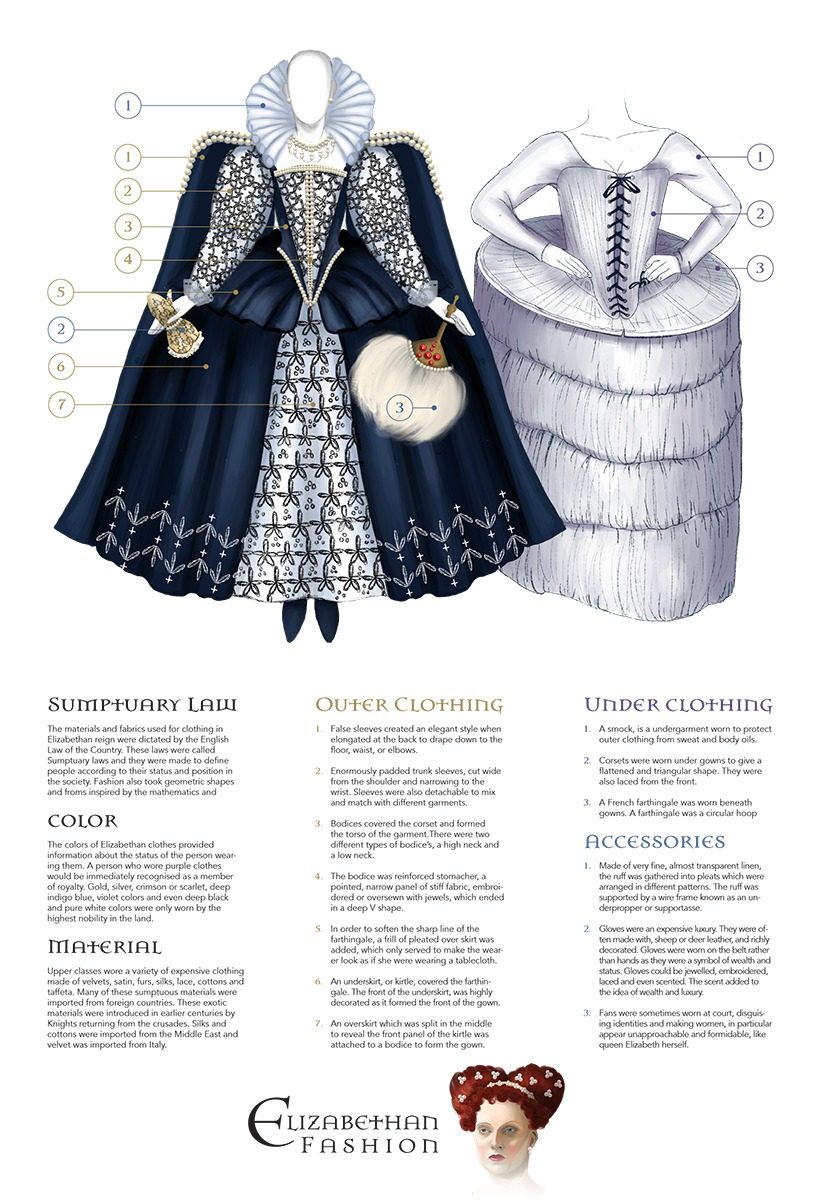
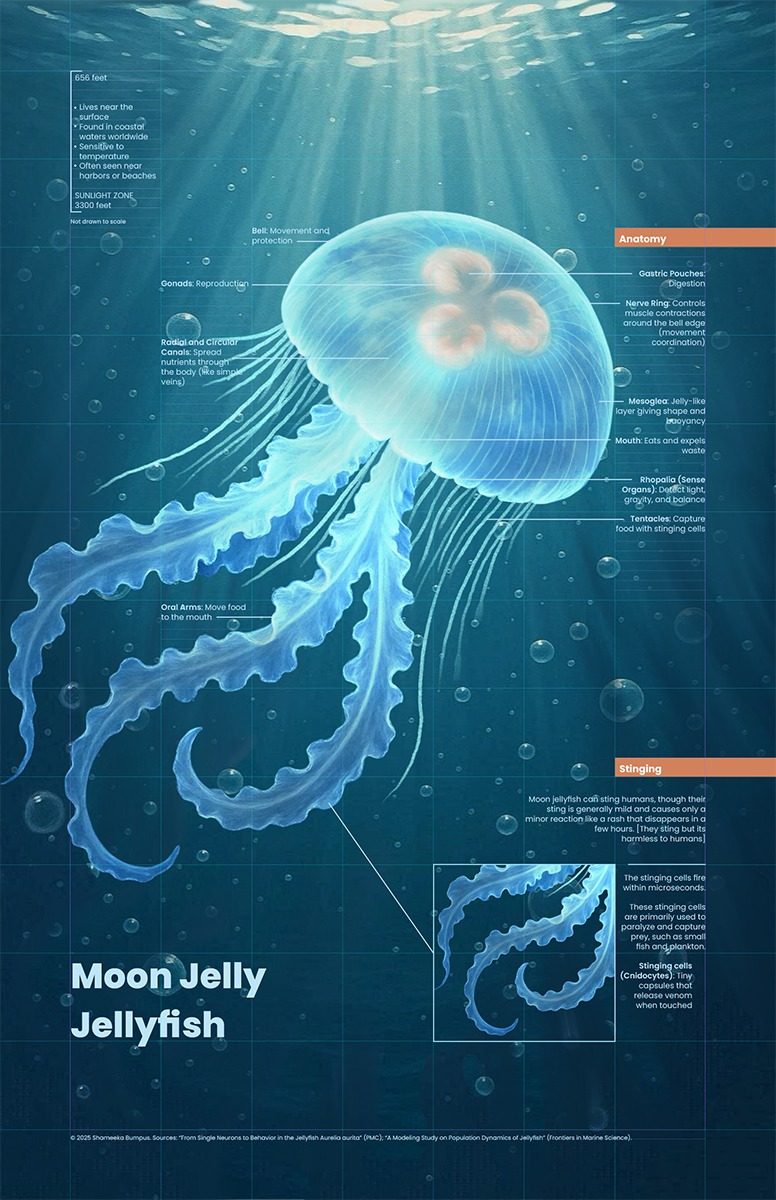
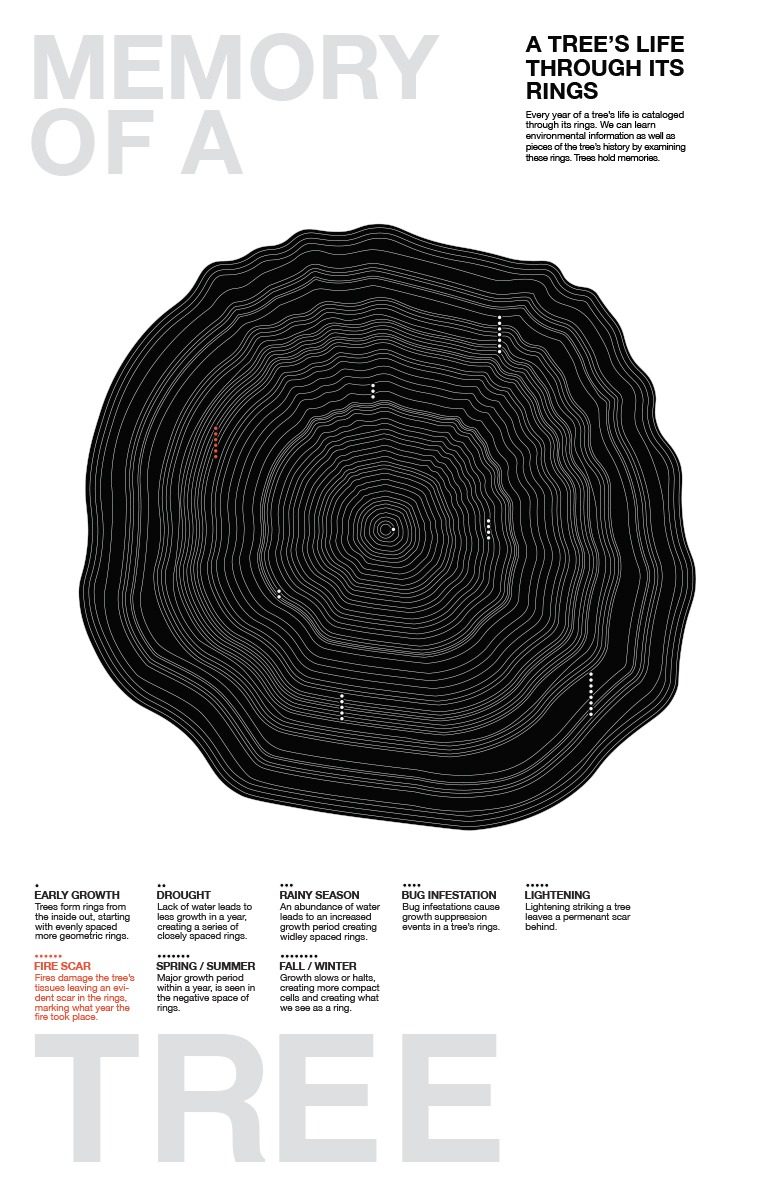
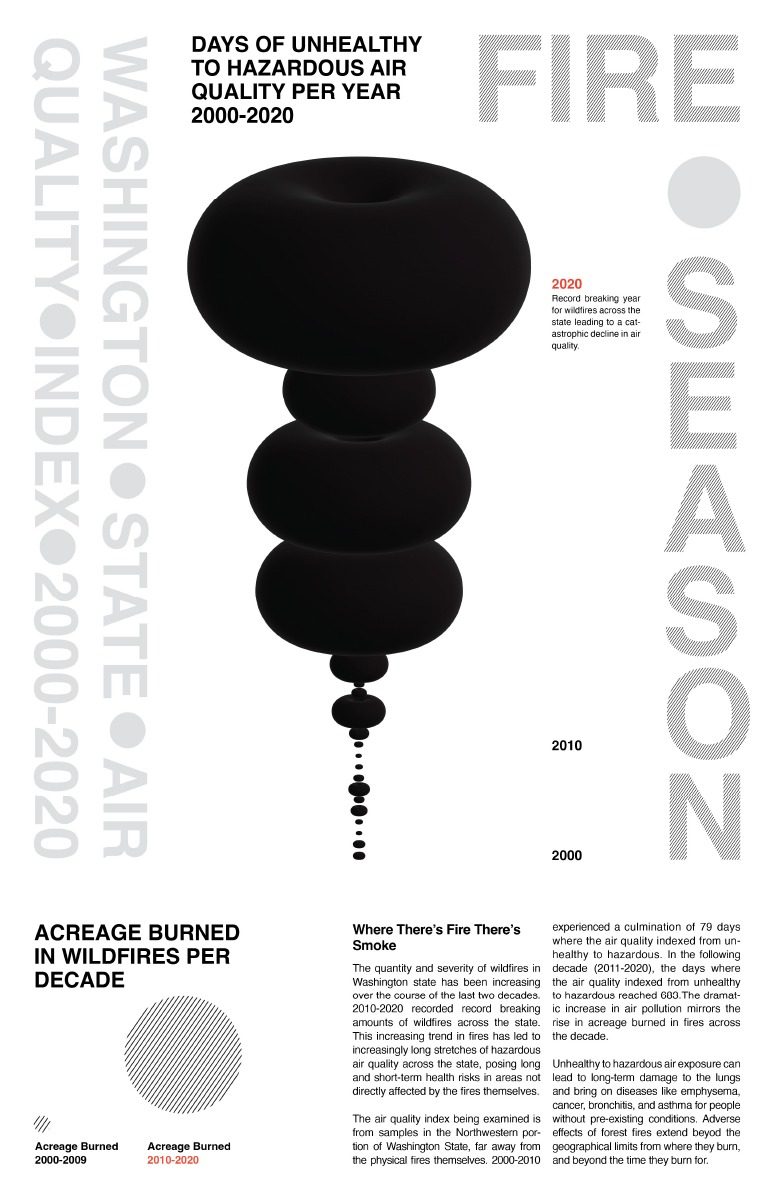
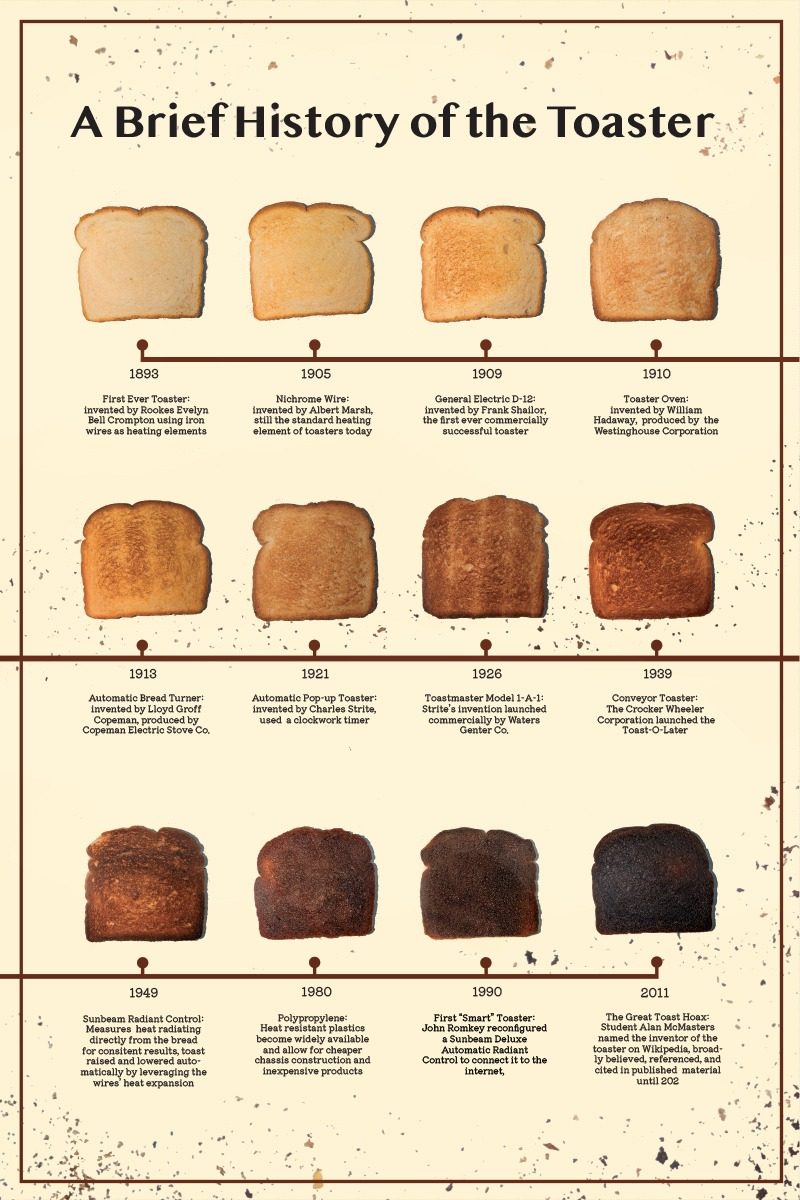
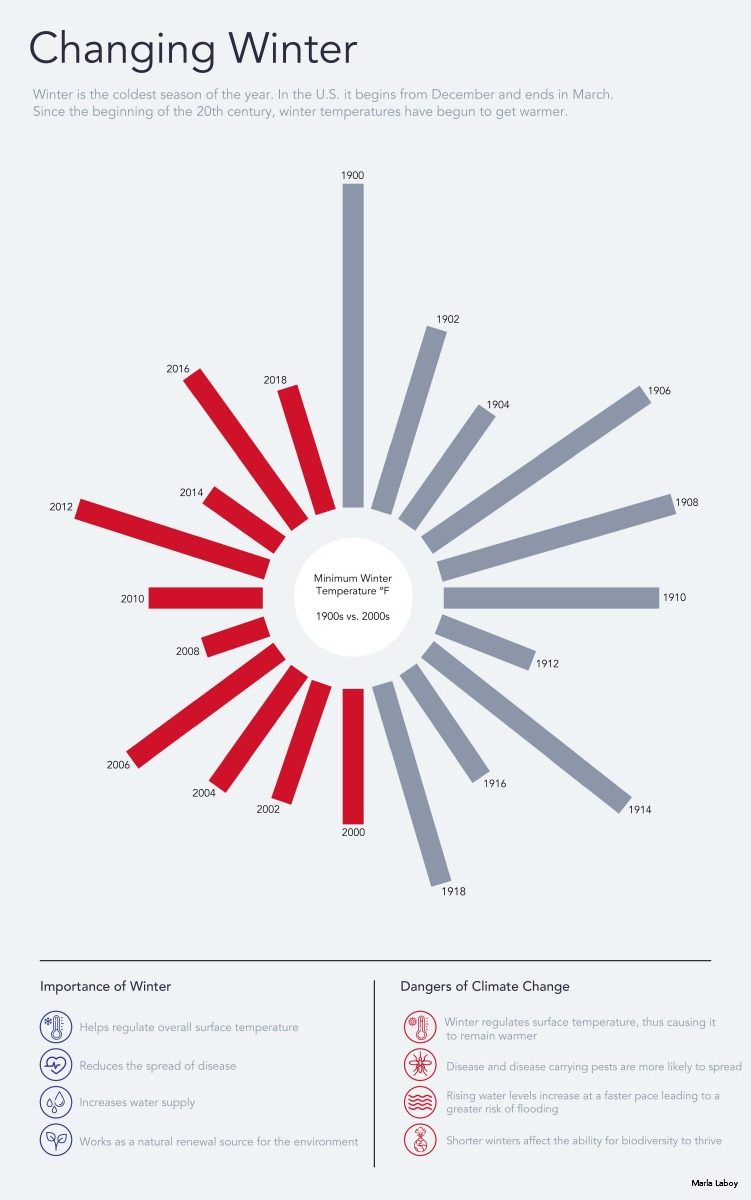
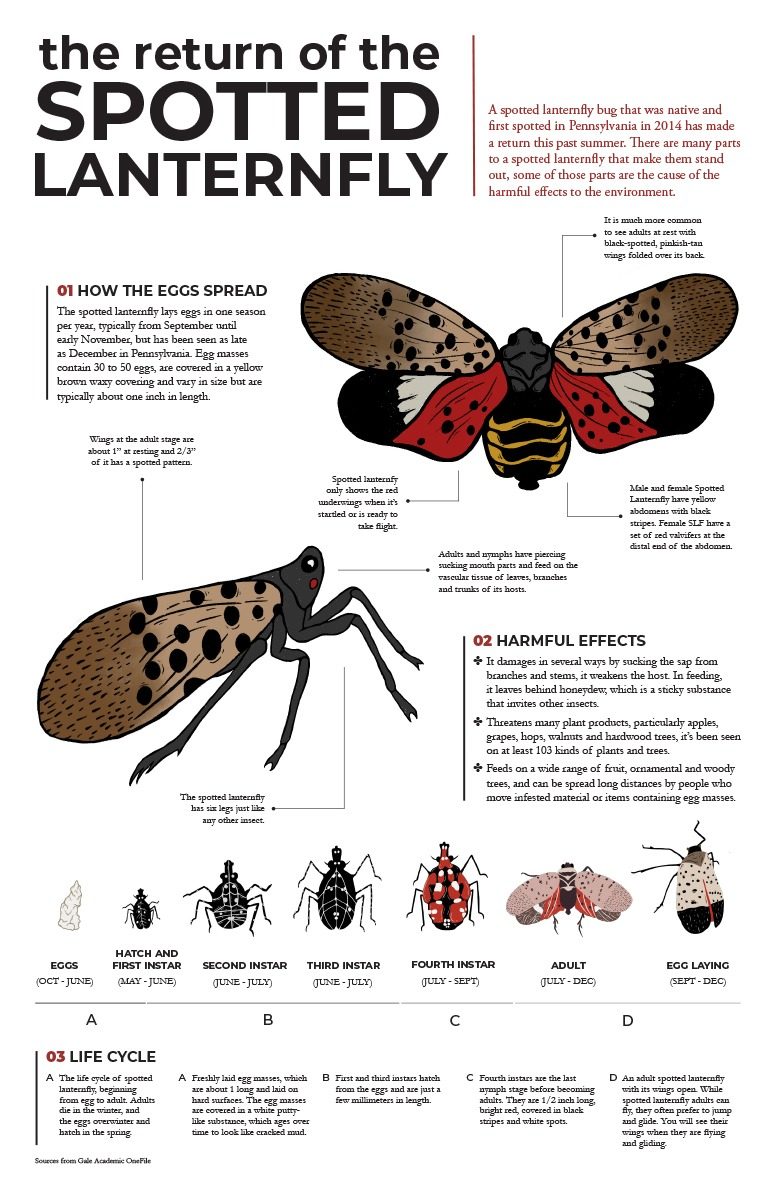
Visual Diagram Students were asked to select an object or item and explain its use or existence visually; this could include its appearance, structure, or how something complex works. Final solutions included diagrams, tutorials, or how-tos and had to detail:
1. What the object is made up of
2. How it behaves/functions
3. And any additional information that might be relevant to a deeper understanding of it.
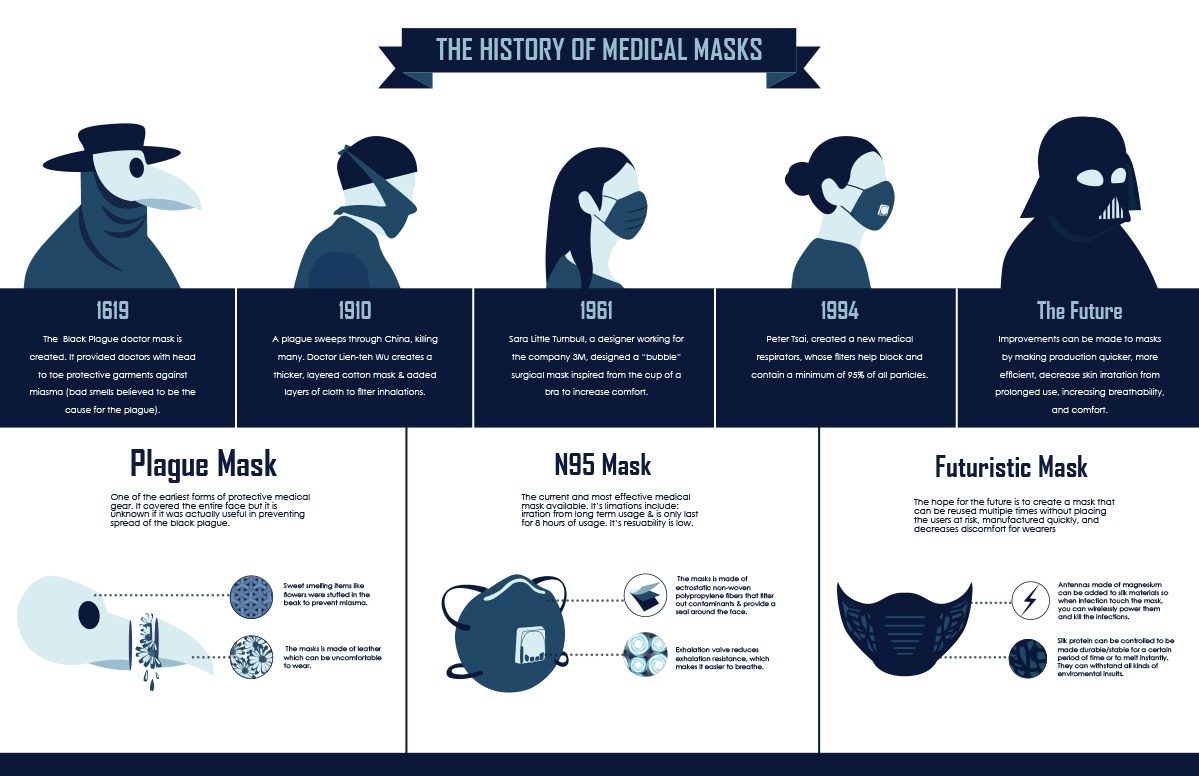
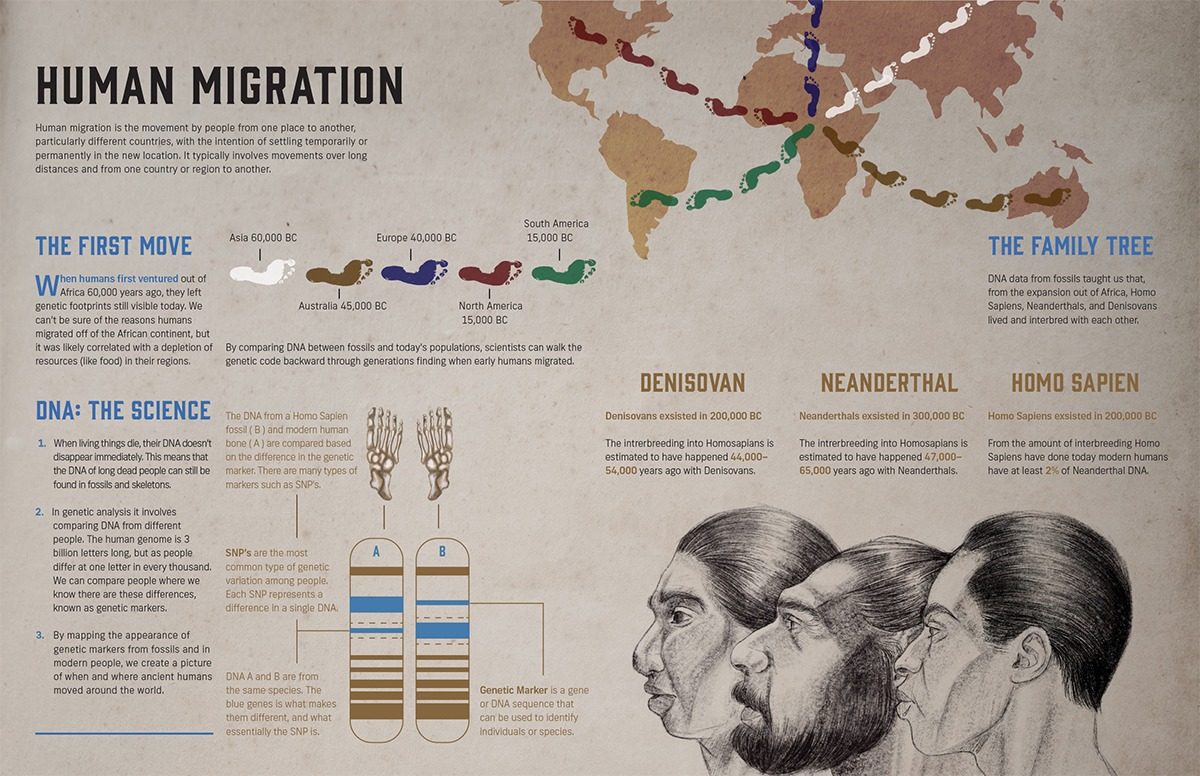

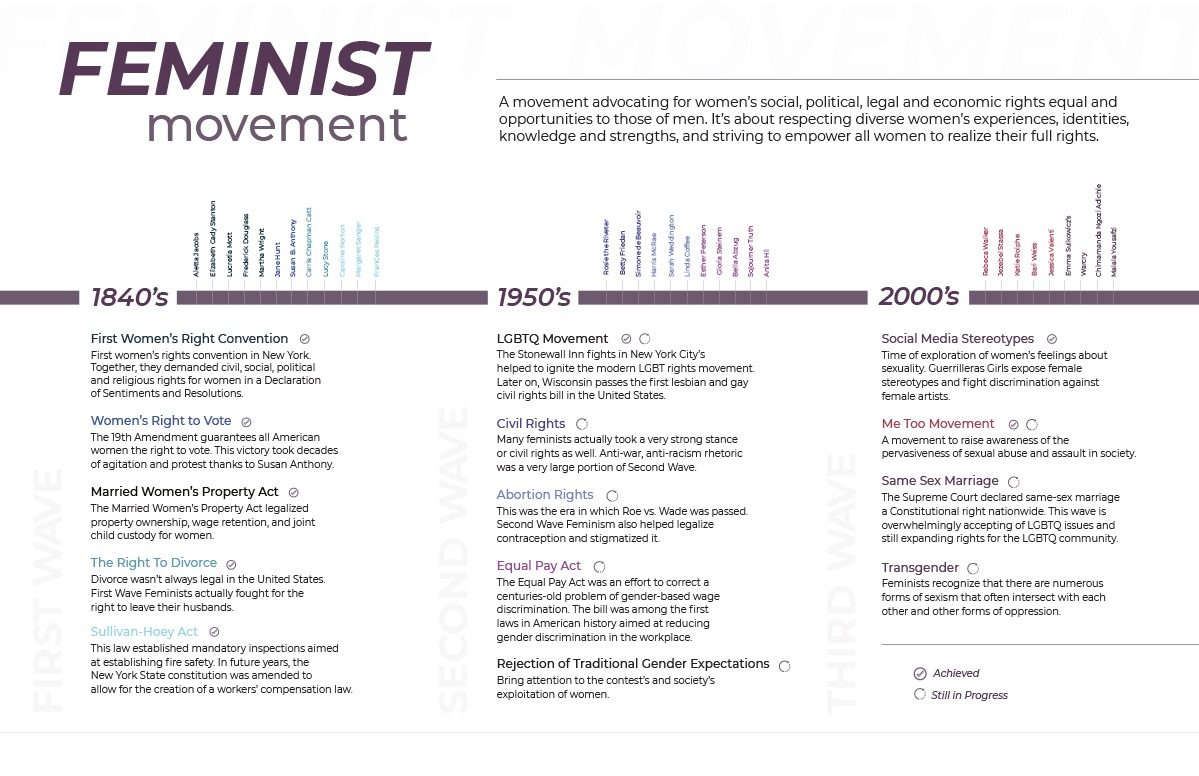
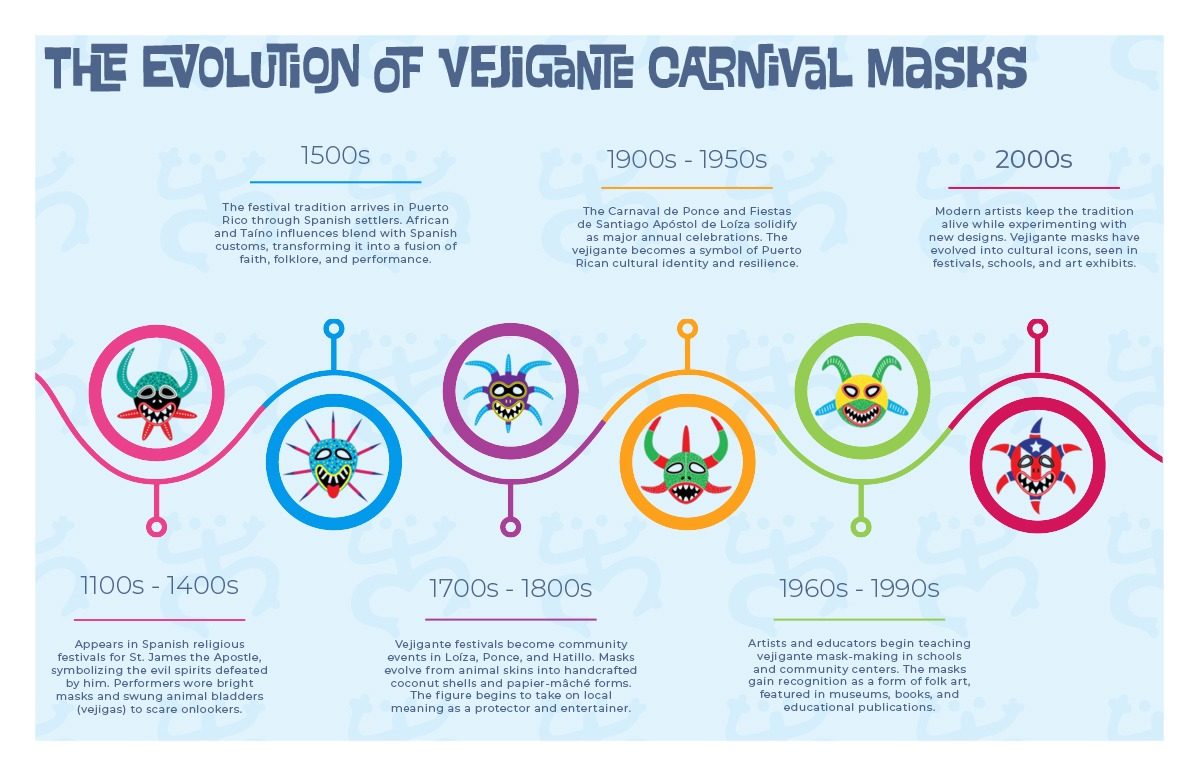
Informational Flow Students were asked to represent factual information sequentially (not necessarily linearly) and had to design within the context of one of the following:
1. Flowchart
2. Timeline
3. Geographic
d. Evaluations
STUDENT EVALUATIONS |
PEER EVALUATIONS |
Associate Professor
|
|
| COMD4830 – Senior Project Class Mean: 5.00| Department Mean: 4.41 ID ARCH2210 – Information Design Theory Class Mean: 5.00| Department Mean: 4.55 COMD3505 – Topics In Graphic Design Class Mean: 4.73 | Department Mean: 4.41 |
|
FALL 2025 |
|
| COMD1127 – Type & Media Class Mean: 4.86 | Department Mean: 4.53 COMD4830 – Senior Project Class Mean: 4.67 | Department Mean: 4.53 COMD3601 – Information Design Class Mean: 4.59 | Department Mean: 4.53 |
|
SPRING 2025 |
|
| COMD3505 – Topics In Graphic Design Class Mean: 4.34 | Department Mean: 4.49 COMD4830 – Senior Project Class Mean: 4.80 | Department Mean: 4.49 |
Excellent . . . |
FALL 2024 |
|
| COMD3601 – Information Design Class Mean: 4.59 | Department Mean: 4.44 COMD1127 – Type & Media Credits Class Mean: 4.39| Department Mean: 4.44 COMD4830 – Senior Project Class Mean: NA | Department Mean: 4.44 |
|
SPRING 2024 |
|
| COMD3505 – Topics In Graphic Design Class Mean: 4.11 | Department Mean: 4.46 COMD4830 – Senior Project Class Mean: 4.27 | Department Mean: 4.46 |
Excellent . . . |
FALL 2023 |
|
| COMD3601 – Information Design Class Mean: 4.74 | Department Mean: 4.45 |
Excellent . |
SPRING 2023 |
|
| COMD3505 – Topics In Graphic Design Class Mean: 4.45 | Department Mean: 4.45 |
Excellent . |
FALL 2022 |
|
| COMD3601 – Information Design Class Mean: 4.68 | Department Mean: 4.50 |
|
SPRING 2022 |
|
| COMD3505 – Topics In Graphic Design Class Mean: 4.96 | Department Mean: 4.47 COMD1123 – Foundation Drawing Class Mean: 4.81 | Department Mean: 4.47 COMD4801 – Portfolio Class Mean: 4.62 | Department Mean: 4.47 |
|
FALL 2021 |
Fellowship Leave (Sabbatical) |
SPRING 2021 |
Fellowship Leave (Sabbatical) |
FALL 2020 |
|
| Communication Design II Class Mean: NA | Department Mean: NA |
(COVID Pandemic) |
SPRING 2020 |
|
| COMD3601 – Information Design Class Mean: NA | Department Mean: NA COMD4830 – Senior Project Class Mean: NA | Department Mean: NA |
(COVID Pandemic) |
FALL 2019 |
|
| COMD3601 – Information Design Class Mean: 4.90 | Department Mean: 4.58 |
|
SPRING 2019 |
|
| COMD1127 – Type & Media Class Mean: 4.51 | Department Mean: 4.52 |
Excellent . |
FALL 2018 |
|
| COMD1127 – Type & Media Class Mean: 4.58 | Department Mean: 4.54 |
|
Assistant Professor
|
|
| COMD4830 – Senior Project Class Mean: 4.92 | Department Mean: 4.44 |
Excellent . |
FALL 2017 |
|
| ADV1160 – Desktop Publishing Class Mean: 4.51| Department Mean: 4.47 ADV3550 – Web Design And Implementation Class Mean: 4.73| Department Mean: 4.47 |
Excellent . . . |
SPRING 2016 |
On leave (FMLA) |
FALL 2015 |
|
| COMD2327 – Typography II Class Mean: 4.65 | Department Mean: 4.51 |
Excellent . |
FALL 2014 |
|
| COMD3662 – Interactive Animation Class Mean: 4.21| Department Mean: 4.42 |
Excellent . |
SPRING 2014 |
|
| ADV3662 – Interactive Animation Class Mean: 4.52| Department Mean: 4.40 |
Excellent . |
FALL 2013 |
|
| ADV3662 – Interactive Animation Class Mean: 4.44| Department Mean: 4.45 GRA3611 – Vector Art Editing Class Mean: 4.58| Department Mean: 4.45 ADV1162 – Raster & Vector Graphics Class Mean: 4.47| Department Mean: 4.45 |
Satisfactory (new form) . . . . . |
SPRING 2013 |
|
| ADV3662 – Interactive Animation Class Mean: 4.62| Department Mean: 4.46 |
Excellent . |
FALL 2012 |
|
| GRA3611 – Vector Art Editing Class Mean: 4.75| Department Mean: 4.49 ADV1162 – Raster & Vector Graphics Class Mean: 4.50| Department Mean: 4.47 |
Excellent . . . |
SPRING 2012 |
|
| GRA3611 – Vector Art Editing Class Mean: 4.59| Department Mean: 4.52 ADV1162 – Raster & Vector Graphics Class Mean: 4.54| Department Mean: 4.45 |
Excellent . . . |
FALL 2011 |
On leave (FMLA) |
SPRING 2011 |
|
| GRA3611 – Vector Art Editing Class Mean: 4.88| Department Mean: 4.57 ADV3662 – Interactive Animation Class Mean: 4.92| Department Mean: 4.44 |
Excellent . . . |
FALL 2010 |
|
| ADV1160 – Desktop Publishing Class Mean: 4.95| Department Mean: 4.47 ADV3550 – Web Design And Implementation Class Mean: 4.77| Department Mean: 4.47 ADV1160 – Desktop Publishing Class Mean: 4.92| Department Mean: 4.47 |
Excellent . . . . . . . |
SPRING 2010 |
|
| ADV1160 – Desktop Publishing Class Mean: 4.51| Department Mean: 4.47 ADV3550 – Web Design And Implementation Class Mean: 4.73| Department Mean: 4.47 |
Excellent . . . |
e. Anonymous Student Comments
Student Evaluation of Teaching (SET) forms
SPRING 2026
Thank you so much for everything you taught me this semester! Taking this class was such a pleasure, and I really feel like I was able to take what I’m learning into other classes and really explore what I can do with exhibition and wayfinding.
FALL 2025
Great professor!
SPRING 2024
Great professor.
FALL 2023
This class had to have been the best one I’ve taken all semester. The instructor was very patient with descriptions of how to do some thing, and took the time to meet with each student individually and gave reasonable breaks. If I could, I would take this class again or a course like it, just to learn more! This is my final semester. Thank you for everything Professor!
FALL 2022
Such an amazing professor. She took the time to go o er any questions we had and really spent time with each of her students. She really cares about her students and work.
FALL 2022
She always gives me detailed feedback.
6. Teaching Improvement Activities
One of the many reasons I love teaching is that I am constantly being challenged to grow. I learn from my students. I learn from preparing and updating course material. I learn from my peers and colleagues. And I learn from my own professional practice. The field of communication design never remains stagnant; new technology is constantly being introduced, and current, relevant design continues to inspire and break new ground.
Living in New York City, the epicenter of design, there is much to take advantage of. I am part of several major design associations, and make a point of regularly attending design seminars, conferences, and lectures. I continue to reassess how best to present content to students and ensure that I am challenging them to grow.
7. Future Teaching Goals
Building relationships that connect our talented student body with the vibrant city that surrounds us is ongoing. Broad exposure to all aspects of the field can put students more securely on a path to advancement and success within the field. I firmly believe introducing students to industry early on provides a more solid perspective for navigating a successful career.
One of my immediate goals is to grow opportunities for current COMD students to meet alumni. Alumni are valuable not only for the connection they carry to the department but also for the network and career know-how they bring to current students, along with their lived experience. In a field so dependent on technology, no one is more attuned to its demands than recent graduates gaining professional experience in the field. At the same time, supporting these graduates and building a strong alliance with them is also an indirect investment in the COMD Department. As these professionals succeed and grow in seniority, they become more likely to turn to our department when they have employment opportunities to offer.
This fall (2026), thanks to the Emerging Scholars Program, I am working with a student from COMD to showcase final work in the Pearl created by recent graduates. The curated exhibit aims to feature the range and variety of excellent work that has taken place in the department and is meant to inspire those walking through our hallways.
I have submitted an application for the CUNY AI Innovation Fund, administered through the Office of Academic Innovation, in collaboration with Professor Garrastegui, titled AI in Practice: A Pipeline from Alumni to Graduating COMD Seniors. The proposed seminar series is a prototype for how the COMD Department can foster connections between current students and alumni while establishing the department as a leader in AI literacy and ethics in design education. The seminar also provides insights related to AI for faculty and PDC representatives assisting COMD students with job readiness preparation, including portfolio development, interviewing strategies, and resume building.
Over time, cultivating relationships with industry enables the Communication Design Department to build stronger relationships leading to scholarships, internships, lectures, faculty, job opportunities, and ultimately stronger name recognition within the field. This strengthens our program, making it more desirable to applicants, students, and graduates, as well as their potential employers.